Vitamin B17 Supplements
Top quality apricot seed extract for sale
Following the most rigorous extraction process we offer 99% pure amygdalin as active ingredient in each of our products. Best prices, always in stock.
Top quality apricot seed extract for sale
Following the most rigorous extraction process we offer 99% pure amygdalin as active ingredient in each of our products. Best prices, always in stock.
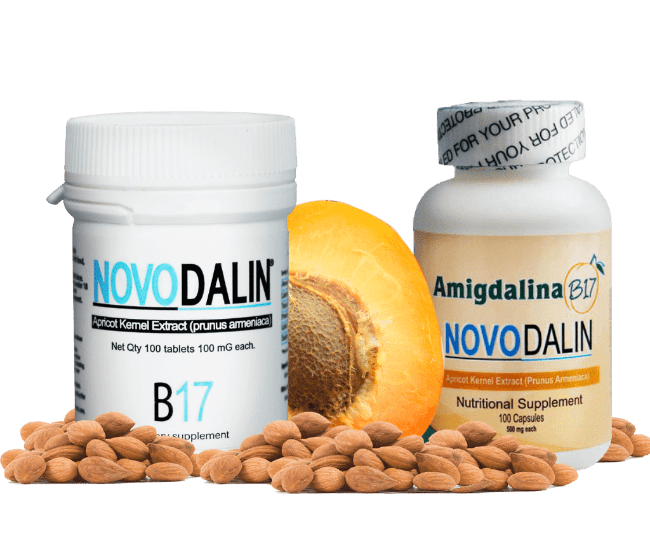
Explore some of our newest vitamin b17 (amygdalin) products and inmune boosting supplements.
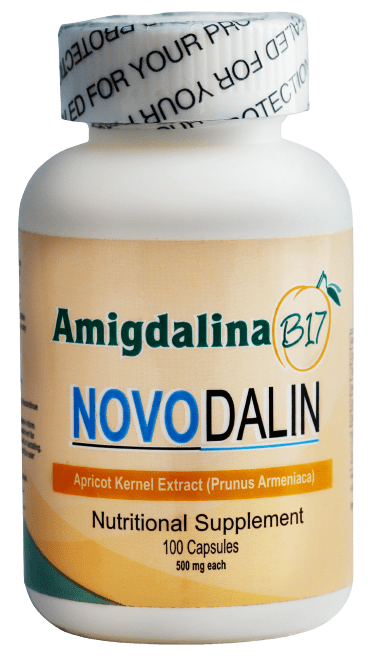
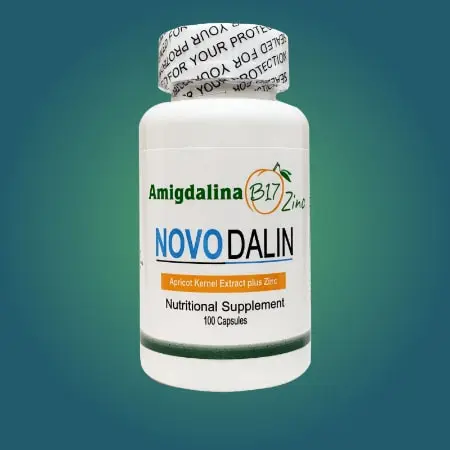
Amygdalin 500mg 100 Capsules
No one even comes close, over 30 years on the market providing our clients with the highest quality amygdalin supplements and the best prices. Only Authentic Amygdalin Products
Explore some of our most popular vitamin b17 products.
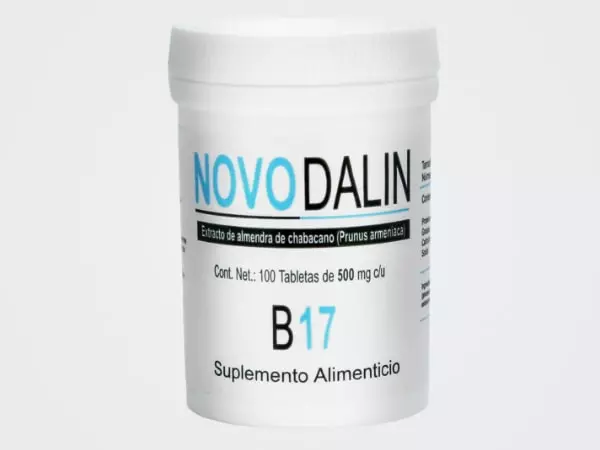
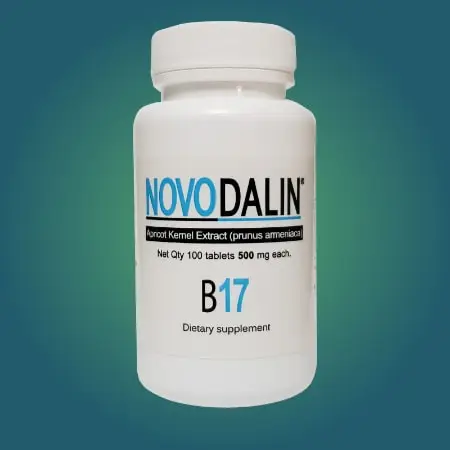
Pure vitamin b17 tablets extracted from apricot kernels (500mg) with a purity of 99.0%
Reviews (397)
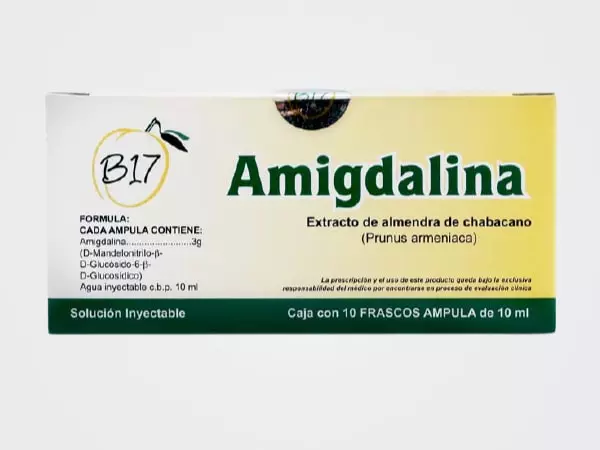
3gr of authentic amygdalin in every 10ml vial. Box with 10 vials.
Reviews (548)
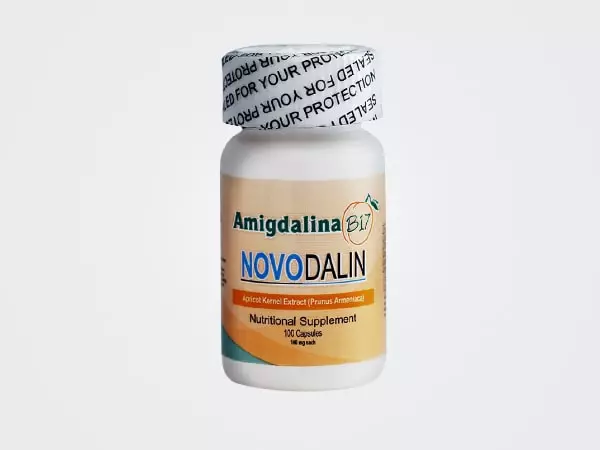
Amygdalin capsules 100mg (small size easy to swallow). Extracted from raw bitter apricot kernels.
Reviews (274)
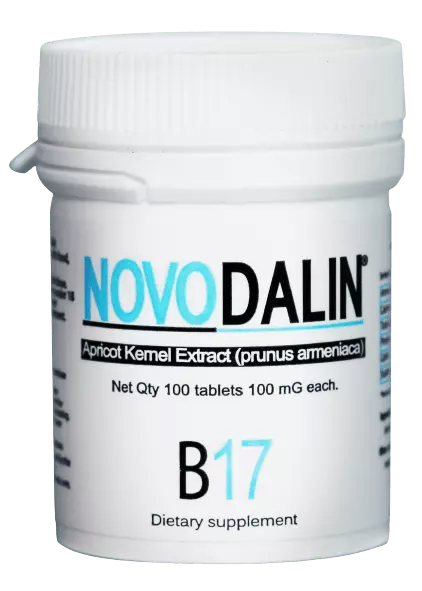
Manufactured following a carefully controlled extraction process thus achieving its high potency and superb quality.
There are many brands of amygdalin, laetrile and or vitamin b17 on the market and very few contain the quality, purity and structure to be named amygdalin vitamin b17 according with the definition of Drs. Krebs. We pride ourselves to strive always to provide the best nutritional supplements for our clients, and this is the case of what we call amigdalina. The Merck Index lists the physical properties of the chemical amygdalin vitamin b17. These properties include, among others, solubility constants, optical rotation, melting points, etc. Unless a product meets all of these specific criteria, it cannot be called amygdalin (Laetrile-Vitamin-B17). This was our first consideration when choosing Dr. Krebs method of extraction.